Staring at screens for eight straight hours leaves most of us stiff, foggy, and reaching for that third coffee by 2 p.m. As a dad juggling deadlines and diaper changes, I learned this the hard way during a week of back-to-back Zoom calls. My neck ached, energy tanked, and I snapped at my kid over spilled Cheerios—all from sitting too long.
Prolonged sitting slows blood flow, which can tighten muscles and dull your brain’s oxygen supply. Small movements counter this by boosting circulation and easing the stress response that builds up from stillness. They signal your body to stay alert, much like how light exposure tweaks your circadian rhythm for better focus, as in Quick Tips to Kickstart Your Energy Morning.
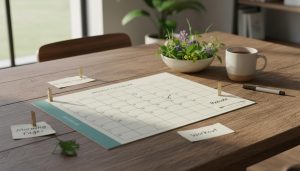
These aren’t gym sessions. We’re talking 5-10 minute habits with timers and checklists that fit anywhere—mid-meeting, during emails, even with a toddler tugging your leg. Parents like us need quick wins. Try one today: set a phone timer for shoulder rolls every hour, then track your mood and energy by evening. Notice the shift? That’s your cue to keep going.
Stick with it for a week, jotting simple notes on how you feel. These micro-moves often perk up posture and cut afternoon slumps without derailing your schedule.
The Subtle Drain of Prolonged Sitting on Energy and Posture
Sitting for hours often reduces circulation, pooling blood in your lower body and starving muscles of fresh oxygen. This can tighten hip flexors and shoulders, leading to slouched posture that strains your spine. Afternoon energy dips frequently tie back to this inactivity disrupting natural movement cues.
Your body thrives on motion to regulate stress hormones like cortisol. Without it, tension builds, fogging focus and amplifying fatigue. Evidence shows even brief activity restarts blood flow, easing these effects.
Think of the classic 3 p.m. slump: it’s not just lunch, but hours of stillness slowing your metabolic signals. Hip flexors shorten, pulling your pelvis forward and curving your back. Regular tiny moves counteract this, often restoring alignment and pep.
Seated Wrist and Shoulder Flows for Mid-Meeting Relief
1-minute wrist circles every hour. Extend arms forward, rotate wrists clockwise 30 seconds, then counterclockwise. Set a timer—do it silently during meetings. This loosens tight tendons from typing, improving grip and reducing carpal tunnel twinges.
Shoulder shrugs with breath holds. Inhale, shrug shoulders to ears for 5 seconds, exhale and drop. Repeat 10 times in 2 minutes. Checklist: Timer on, eyes on screen, breathe deep. It releases upper back knots built from hunching.
Neck tilts synced to inbox checks. Check email? Tilt head ear-to-shoulder, hold 10 seconds each side, 5 reps. Takes 90 seconds total. Pairs typing with relief, easing neck strain without pausing work.
30-second arm raises. Raise arms overhead like a stretchy yawn, pulse gently 10 times. Do hourly via phone alarm. Quick circulation boost to arms, countering “mouse shoulder” fatigue.
Chair-Based Leg Pumps to Wake Up Your Lower Body
Ankle rolls during calls. Lift one foot, circle ankle 10 times each way, switch legs. 1 minute per call. Wakes dormant calves, pushing blood upward for leg energy.
Seated marches for 2 minutes. Alternate knee lifts like marching in place, arms optional. Timer essential—fits any hold music. Mimics walking, firing glutes and quads without standing.
Heel-toe rocks. Rock from heels to toes 20 times, 45 seconds. Engage core lightly. Strengthens ankles, combats foot numbness from flat-footed sitting.
Invisible pedal pushes. Press imaginary bike pedals for 90 seconds, alternate feet. During webinars, no one notices. Revs hamstrings, mimicking cycling for lower-body circulation.
| Common Sedentary Trap | Do This Instead | Time Investment | Quick Win |
|---|---|---|---|
| Hunch over keyboard | Roll shoulders back + deep breath | 20 seconds | Loosens chest tension |
| Cross legs for hours | Ankle pumps up-down | 30 seconds | Boosts leg blood flow |
| Stare at screen unmoving | Eye rolls + blinks | 15 seconds | Clears eye strain |
| Slump in chair | Perch on edge, sit tall | 1 minute | Engages core |
| Type without breaks | Wrist flexes between sentences | 10 seconds | Prevents RSI |
| Hold phone to ear | Switch sides + shoulder lift | 20 seconds | Balances neck |
| Feet flat, lifeless | Toe wiggles + lifts | 25 seconds | Wakes arches |
Copy this Quick Desk Movement Swaps table to your notes app. Scan it hourly for swaps. It turns pitfalls into habits, often lifting energy in days. Experiment: pick three rows today, track stiffness levels.
Smart Standing Breaks and Workspace Tweaks
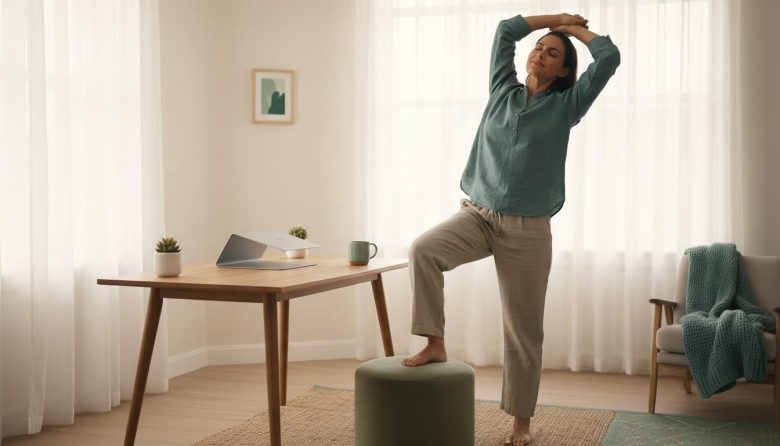
Alternate standing every 30 minutes via timer. Use a box or adjustable desk to rise. Stand 5 minutes, shift weight foot-to-foot. Rekindles full-body circulation like a mini-walk.
Under-desk foot roller. Roll feet on a frozen water bottle or roller, 2 minutes twice daily. Melts plantar tension while seated. Great for parents sneaking self-care.
Perch on chair edge for core engagement. Sit forward, feet flat, hold 3 minutes per hour. Strengthens abs subtly. Builds posture endurance without crunches.
Safety note: Ease into standing if new to it—listen to your joints and sit if dizzy. Most adapt quickly, but start slow.
Upgrade Calls and Emails with Walk-and-Talk Hacks
Pace during hands-free calls. Use headset, walk room laps for 10-minute meetings. Burns 50 extra calories, clears head. Fits busy parent multitasking perfectly.
Email batches with stair laps. Read/send five emails, then 1-minute stair ups/downs. Repeat thrice hourly. Combines productivity with heart rate bumps, tying into hydration boosts from 4 Easy Tips for Hydration and Energy.
Park farther for 5-minute walks. Add 500 steps to arrival routine. Chat podcasts while striding. Scales for lighter loads, like in 9 Simple Steps for a Lighter Lifestyle.
Evening Check-Ins to Build Momentum for Tomorrow
End your day with a 1-minute journal: rate energy (1-10), note stiff spots, list top three moves used. Tweak tomorrow—double winners, drop duds. Builds momentum fast.
Week one goal: 20 minutes total micro-moves daily. Track sleep quality too—often improves with better circulation. Experiment freely; your body signals guide adjustments.
FAQ
How many minutes of movement should I aim for daily?
Often 20-30 minutes spread out helps counter sitting effects. Track your energy and mood to personalize—some thrive on less, others more. Adjust based on your desk hours.
Will this replace my gym time?
No, it complements gym sessions by boosting daily adherence and recovery. Micro-moves prime muscles for workouts, but structured exercise builds deeper strength. Mix both for best results.
What if I have desk-job back pain?
Start with gentlest options like ankle rolls and shoulder shrugs. If pain persists beyond two weeks, consult a doctor. These habits often ease mild tension without strain.
Can I do these with a shared office?
Yes, most are subtle—wrist circles or seated marches draw zero eyes. Adapt discreetly, like neck tilts during “thinking pauses.” Privacy varies, so test your space.
How soon will I notice changes?
Many feel perkier posture and energy in 3-5 days. Varies by baseline—long-time sitters may take a week. Consistency and tracking speed insights.