
Many mornings start with a familiar drag: eyes heavy, mind foggy, and motivation lagging after a night’s rest. This slump often stems from subtle disruptions in your circadian rhythm or overnight dehydration, but simple, evidence-informed boosters can help realign your internal clock and spark steady energy. By focusing on light exposure, hydration, gentle movement, balanced …

Picture this: You’re stuck in rush-hour traffic, emails piling up, and a spilled coffee has already set a sour tone to your day. In just 30 seconds, you pause, notice the warmth of sunlight on your hands, and whisper thanks for a safe drive so far. Suddenly, tension eases, and a subtle lift in mood …

I remember my mornings used to feel like a whirlwind—snoozing the alarm five times, rushing through breakfast, and arriving at work already frazzled. That chaos left me drained by noon, with moods swinging wildly. Then I started experimenting with small, science-informed routines, and everything shifted. These tweaks draw from habit research, like how consistent cues …

I still remember that hectic Tuesday when I rushed through meetings, feeling like my brain was wrapped in cotton. By mid-afternoon, I was dragging, snapping at a simple email, and reaching for another coffee. Then I took a moment to sip from my water bottle—nothing fancy, just room-temperature water—and within 20 minutes, the fog lifted. …

As a dad of two, I’ve had those mornings where the alarm blares, kids are yelling, and I’m already dragging before coffee hits. Chaos like that spikes cortisol, leaving you frazzled all day. But tweaking my start with simple cues—light, water, a quick move—shifted my mood reliably. Science backs it plainly: Morning light hits your …

I still remember my first attempt at building healthy routines. Back when I was juggling a hectic job and feeling drained by noon, I tried overhauling everything at once—intense workouts, strict diets, endless apps. It lasted a week before I crashed. What changed everything was scaling back to tiny, doable steps that fit my chaotic …

Imagine starting your day as a busy parent, brewing coffee while packing lunches, only to hit that mid-morning fog where focus fades and eyelids droop. By afternoon, the crash hits hard—emails pile up, and even a quick snack doesn’t revive you. These dips feel inevitable, but small, consistent tweaks to your circadian rhythm, hydration, and …

I remember those afternoons when I’d hit a wall around 3 p.m., reaching for coffee or candy just to make it through. My energy dipped hard after quick-sugar breakfasts, leaving me foggy and frustrated. That changed when I started swapping in steady-energy foods like oats and almonds—they kept my blood sugar stable, supporting my natural …
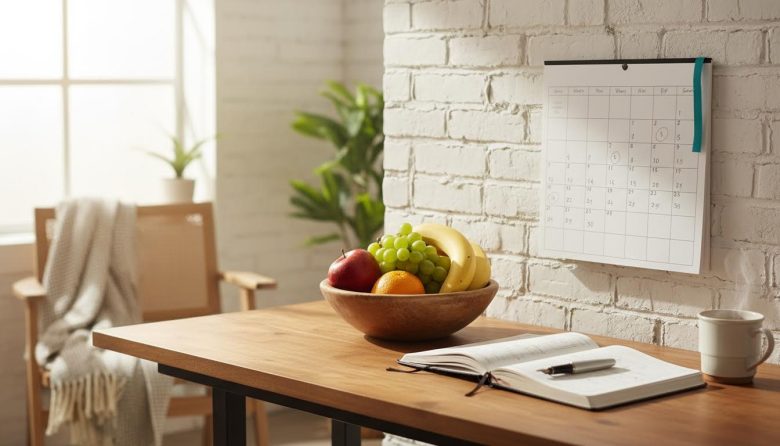
I remember the days when my afternoons felt like wading through molasses. I’d power through my morning with coffee, only to crash hard around 3 p.m., reaching for sugary snacks that left me even more drained. If this sounds familiar, you’re not alone—many of us chase quick energy highs that lead to deeper lows. Steady …

Picture this: It’s 7 p.m., and my evening unravels like clockwork. Dinner dishes pile up, emails ping endlessly, and suddenly I’m scrolling social media until midnight, feeling wired yet exhausted. Sound familiar? Those chaotic nights used to leave me tossing and turning, waking up groggy for the next day. For years, I chased the perfect …