Picture this: it’s mid-afternoon, and that familiar slump hits. Your eyes feel heavy, focus wanders, and energy dips despite a decent night’s sleep or morning coffee. These moments often stem from prolonged sitting, which tightens muscles and slows circulation, dulling your natural alertness.
Gentle moves offer a science-informed way to counter this. They boost blood flow, release built-up tension, and signal your brain for wakefulness through proprioception—the body’s sense of position—and a light endorphin lift. Unlike intense workouts, these are accessible for desk-bound days, requiring no equipment or space.
I recommend starting with variations suited to your schedule, like quick desk versions for office hours or fuller flows in the morning. Track how they shift your mood or energy over a few days—simple notes can reveal what works best for you. As part of building light healthy habits, these seven moves create steady, sustainable pep without overwhelm.
Why do gentle movements help overall? They improve oxygen delivery to the brain and muscles, gently reset the stress response by easing the sympathetic nervous system, and align with circadian cues for natural rhythm. No jarring spikes, just calm support. Let’s dive into a quick-reference checklist first, then explore each one in detail.
Daily Gentle Moves Checklist
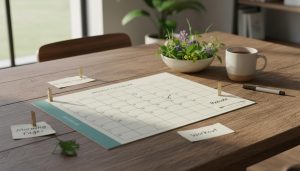
Use this simple table to track your daily practice. Mark completion and jot quick notes on energy or mood afterward. Aim to try a few each day for a week to spot patterns.
| Move Name | Duration | Frequency Suggestion | Notes for Tracking (e.g., energy/mood shift) |
|---|---|---|---|
| Slow Neck Rolls (tilt head side-to-side, roll gently) | 1 min | 3x/day | |
| Shoulder Blade Squeezes (pull blades together, release) | 1 min | 3x/day | |
| Arm Circles (small to large, forward/back) | 1 min | 2-4x/day | |
| Seated Twists (rotate torso gently) | 1 min | Post-meal or 3x/day | |
| Hip Circles (seated or standing, loosen hips) | 1 min | 2x/day | |
| Light Marching (lift knees gently, swing arms) | 1 min | Afternoon or as needed | |
| Full-Body Shake (wiggle from head to toe) | 30-60 sec | End of day or reset |
Print or copy this for your planner. Small consistencies often build the most noticeable lift.
Ease Neck Tension with Slow Rolls
Why it helps
The neck often stores stress from screen time or poor posture, leading to tension that clouds thinking. Slow rolls enhance blood flow to the brain and gently stimulate the vagus nerve, which can calm the stress response and clear mental fog. This simple action tends to foster a lighter, more focused state without strain.
What to try
Begin seated: drop chin to chest, roll ear toward shoulder clockwise for five breaths, then reverse. For office ease, do mini versions— just side-to-side tilts every hour. In the morning, stand tall and add shoulder shrugs between rolls.
Pair with deep exhales: inhale to center, exhale into the roll. Evening variation: slower pace to unwind. Experiment during calls for discreet refresh.
Safety note
Move slowly if you have neck stiffness; skip if there’s recent injury and check with a doctor.
Squeeze and Release Shoulder Blades
Why it helps
Hunching over desks compresses the chest and limits oxygen intake, sapping vitality. Squeezing the shoulder blades activates upper back muscles, promoting upright posture and better breathing for sustained energy. It often counters fatigue by opening the front body gently.
What to try
- Sit or stand tall, squeeze blades together for five seconds, release; repeat 10 times.
- Pulse version: quick 20 squeezes to spark circulation during breaks.
- Wall-supported: face wall, press hands lightly while squeezing for added feedback.
- Evening wind-down: hold longer breaths, 10 seconds each, to release day’s hold.
Transition smoothly from neck rolls into this for upper-body flow. Notice how breath deepens afterward.
Safety note
Keep squeezes gentle—avoid forcing if shoulders feel tight.
Flow Energy Upward with Arm Circles
Why it helps
Arms and shoulders stiffen from typing or carrying bags, blocking fluid movement. Circles loosen these areas, increasing circulation to the upper body and signaling alertness through rhythmic motion. This can help shift stagnant energy upward for a subtle lift.
What to try
- Seated at desk: small forward circles for 30 seconds, then backward.
- Progress to larger arm sweeps, reaching overhead gently.
- Pre-walk warm-up: stand and circle while marching in place.
- One-arm focus: alternate sides if both feel uneven.
Link this to shoulder squeezes for seamless progression. Morning versions energize; afternoon ones revive.
Revive Your Core with Seated Twists
Why it helps
Sitting still hampers spinal mobility and digestion, contributing to post-meal lethargy. Gentle twists encourage core engagement and wring out tension, aiding nutrient flow and steady energy from better gut-brain signals. They often promote a grounded yet lively feel.
What to try
- Hands on chair edges, twist right gazing over shoulder, hold three breaths, switch.
- Book-assisted: hold a light book on knee, twist opposite for mild resistance.
- Standing alternative: feet hip-width, twist arms across body.
- Post-meal: one minute to ease bloating and refresh.
- Morning sequence: follow hip openers for full torso flow.
Safety note
Avoid forcing if back-sensitive; shorten range and breathe freely.
These pair well with lighter meals, much like in 5 Tips for Light Meals That Energize, to amplify digestion.
Open Hips for Grounded Lower-Body Lift
Why it helps
Hip flexors shorten from sitting, pulling posture forward and tiring legs. Circles release this tightness, improving pelvic blood flow and preparing lower body for movement. This tends to create a stable base for overall lightness.
What to try
- Seated: hands on knees, circle hips clockwise eight times, reverse.
- Figure-8 pattern: sway hips in infinity shape for fun variety.
- One-leg focus: lift and circle ankle while seated.
- Morning add-on: stand for deeper range before coffee.
- Afternoon desk: subtle shifts side-to-side.
Flow from twists into hips for mid-body reset. Feel the grounded shift.
March Lightly to Wake Your Legs
Why it helps
Legs stagnate during long sits, slowing heart rate and circulation. Light marching mimics natural walking rhythm, gently pumping blood and engaging large muscles for an easy energy uptick. It aligns with the body’s preference for rhythmic cues.
What to try
- Seated or standing: lift knees alternately, swing opposite arms.
- Low-impact high-knees: keep bounces soft.
- Desk version: under-table marches during emails.
- Afternoon slumper: one minute to bridge to a walk.
Building on an easy beginner’s guide to light healthy habits, this move fits anywhere.
Shake Loose for a Full-Body Reset
Why it helps
Daily stress builds as micro-tensions in muscles; shaking mimics animals’ shake-off, using natural tremors to release them. This calms the nervous system while sparking light vitality, often leaving a refreshed buzz.
What to try
- Stand feet wide, shake hands then arms, progress to whole body for 30 seconds.
- Focus areas: jiggle legs or shoulders if full feels much.
- Music-timed: sway to a upbeat track end-of-day.
- Quick reset: 10-second burst between tasks.
Safety note
Use a wall for balance if unsteady; keep loose.
End sequences here for closure, linking back to the checklist.
Putting It All Together
These seven moves build a toolkit for light energy throughout the day. Mix three to four based on your rhythm—neck and shoulders for desk time, legs and shake for afternoons. Consistency often reveals personal favorites.
Track simple signals like post-move clarity or evening fatigue. As in how to start your day with positive energy habits, small experiments yield big insights. Start today; your body thanks gentle nudges.
Gently weave them into routines, adjusting for energy cues. Over time, they may enhance overall flow without effort.
Frequently Asked Questions
How often should I do these gentle moves?
Space three to seven across the day, like morning, midday, evening. This spacing often sustains energy better than cramming, but listen to your body’s feedback—less if fatigued, more if invigorated. Track for a week to find your sweet spot.
Are these suitable for complete beginners or office workers?
Yes, most are seated-optional and take under a minute. Beginners can halve durations to build comfort; office folks thrive on discreet versions during meetings or breaks. They fit tight schedules seamlessly.
What if I have joint pain or injuries?
Modify by reducing range or skipping sore spots—focus on breath if needed. For chronic issues, consult a doctor first; gentle versions prioritize ease over intensity. Many find relief precisely from these low-impact options.
How do these moves create ‘light energy’?
Typically through better circulation, tension release, and brain signals from movement—proprioception wakes alertness mildly. Results vary by person, hydration, and sleep, but many note clearer focus without jitters. Pair with hydration for best effect.
Can I combine them with walking or yoga?
Perfectly—they serve as warm-ups or interlude resets. Try before a walk for primed legs or between yoga poses for flow. Experiment to see what elevates your practice most.