I still remember that hectic Tuesday when I rushed through meetings, feeling like my brain was wrapped in cotton. By mid-afternoon, I was dragging, snapping at a simple email, and reaching for another coffee. Then I took a moment to sip from my water bottle—nothing fancy, just room-temperature water—and within 20 minutes, the fog lifted. That quick turnaround reminded me how hydration sneaks up on us, quietly supporting our energy and mood without fanfare.
Hydration keeps our blood volume steady, helping deliver oxygen and nutrients to the brain more efficiently. When we’re low on fluids, even mildly, our body diverts resources, which can lead to fatigue and fuzzy thinking. Many of us overlook this because thirst often lags behind our actual needs. In this guide, we’ll explore gentle ways to tune in throughout the day—from morning rituals to evening wind-downs—making it feel effortless and fun.
You don’t need perfection; just small experiments tracking how your energy and mood shift. Start with one or two ideas that resonate, and notice the difference. It’s these quick wins that build lasting habits, turning hydration into your secret ally for brighter days.
The Surprising Ways Hydration Fuels Your Focus and Energy
Our bodies are about 60% water, and even a 1-2% drop in hydration can spark noticeable changes. This mild dehydration often shows up as afternoon slumps or scattered thoughts, rather than dramatic thirst. That’s because our thirst mechanism lags; by the time we feel parched, performance may already dip.
Here’s why it matters in plain terms: lower fluid levels thicken the blood, slowing its flow to the brain and muscles. This can dull concentration and mood, as brain cells rely on balanced electrolytes for clear signaling. Studies suggest it tends to impair short-term memory and increase fatigue, especially under stress.
Think of a typical workday fog around 3 p.m.—it often stems from cumulative dehydration, not just lunch. Sipping steadily helps maintain that steady flow, often leading to sharper focus without extra effort. Listening to this science-informed rhythm can transform how you feel hour by hour.
Listen to Your Body’s Subtle Thirst Whispers
As we age or fall into routines, thirst signals quiet down, making it easy to miss early cues. You might notice dry lips, darker urine, or a subtle headache before full-on thirst hits. Fatigue or irritability can tag along, mimicking tiredness when it’s really a fluid gap.
Tuning in rebuilds that awareness gently. Start by pausing midday to check in with your body. This simple habit can prevent dips and set a positive tone.
What to Try
No, can’t use
. Skip subheader.
- Check urine color first thing and after lunch—pale yellow signals good hydration; aim for that by sipping proactively.
- When you feel dry mouth or sticky eyes, pause for three slow sips before continuing your task.
- Keep a quick mood journal: note thirst level (1-5) alongside energy at noon and 4 p.m. to spot patterns.
These cues make listening fun and revealing. I tried the journal for a week and saw how my 2 p.m. grumps linked to skipped sips.
Next, let’s carry this into your morning for a strong start.
Build a Gentle Morning Hydration Ritual Before the Rush
Nighttime breathing and sweat can leave us dehydrated by morning, up to a liter lost without noticing. This ties into our circadian rhythm, where cortisol peaks to wake us—pairing it with fluids supports that natural energy lift. Skipping it often sets up a catch-up game all day.
I started keeping a glass of lemon-infused water by my bed, and it became my favorite wake-up win. No alarm needed; just a refreshing ritual before the coffee rush. It smoothed my mornings noticeably.
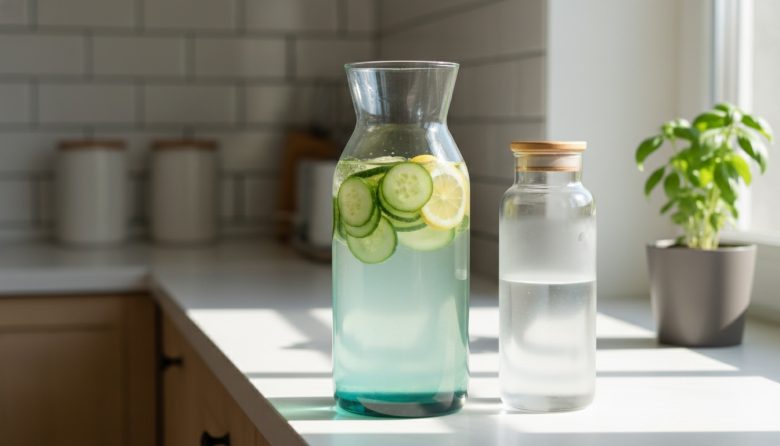
- Prep an infused glass (lemon or cucumber) bedside the night before—sip half upon waking.
- Link it to your first stretch: deep breath in, sip out, for a calming combo. Pairing with techniques from How to Use Deep Breathing for Instant Energy Boosts amplifies the calm energy start.
- Drink 8-12 ounces before breakfast to kickstart digestion gently.
- Mark your first mug with a time goal, like “done by 8 a.m.,” for easy tracking.
These steps feel light because they weave into what you already do. Experiment and watch your morning glow emerge.
Sip Smart Through Midday Hustle Without Extra Effort
Midday busyness scatters focus, and caffeine can nudge fluid loss slightly due to its mild diuretic effect. Bright light exposure may increase needs too, as it ramps metabolism. Steady sips counteract this, keeping energy even without willpower battles.
Portable tricks make it seamless in hustle mode. I carry a sleek bottle that reminds me naturally. Here’s what works reliably.
- Use a marked bottle (lines for hourly sips) to hit 16 ounces by lunch without thinking.
- Grab hydrating snacks like cucumber slices or apple—crunchy reminders that double as fuel.
- Pair every coffee with an equal glass of water; it balances seamlessly.
- Set subtle phone vibes for refills, tied to habits like standing for calls.
For extra boost, combine with movement. As covered in How to Add Short Walks to Your Busy Schedule, a quick stroll with your bottle turns hustle into flow.
This effortless approach prevents the post-lunch crash many face.
Hydration Do’s and Don’ts for Effortless Daily Flow
This handy table spotlights quick swaps for busy days. Pick one do or don’t to test today—it often leads to mood lifts and steadier energy fast. Use it as your go-to reference for simple tweaks.
| Do | Don’t | Why It Helps |
|---|---|---|
| Sip from a marked bottle hourly | Wait for intense thirst | Maintains steady energy, avoids focus dips |
| Add cucumber/lemon slices | Force plain water chugs | Makes sipping fun, boosts consistency |
| Pair water with meals/snacks | Swap for soda/energy drinks | Supports digestion, curbs false hunger |
| Set phone reminders for refills | Ignore dry lips/fatigue | Catches mild cues early for better mood |
| End day with herbal tea | Guzzle large amounts before bed | Preps restful sleep without disruptions |
Glancing here reinforces good flow. Now, let’s ease into evenings smoothly.
Evening Sips That Set Up Tomorrow’s Glow
As circadian rhythms wind down, hydration shifts to gentle support for recovery. Excess late fluids can interrupt sleep with bathroom trips, while smart sips aid overnight repair. Aim for calm closure to prime tomorrow’s energy.
Herbal teas add soothing variety here. My evening chamomile ritual became a highlight, blending hydration with unwind.
- Sip a small room-temp glass two hours before bed—no ice to avoid chills.
- Wind down with caffeine-free herbal tea like peppermint for flavor and calm.
- Reflect: tally day’s intake loosely, adjust for next morning’s prep.
Safety / When to Be Cautious
Most people do well with 2-3 liters spread out daily, adjusting for activity or heat. Ease in if you have kidney concerns or heart conditions; monitor urine color and any puffiness. Chat with a doctor for personalized advice to stay safe.
Track Your Hydration Experiment for Real Results
Tracking turns experiments into insights without overwhelm. Note energy, mood, and sleep quality weekly on a simple scale (1-5). Pair with intake rough tallies to see links—like clearer focus on hydrated days.
I tracked for two weeks and tweaked my bottle size up; the steady wins motivated more. For longer momentum, tie into broader habits like the 30-Day Challenge for Steady Energy Habits.
Celebrate small shifts; your body will thank you with vibrant feedback. Keep it light and fun.
Frequently Asked Questions About Easy Daily Hydration
How much water does my body really need each day?
Needs vary by body size, activity, climate, and diet—often 2-3 liters total fluids for adults works as a starting point. Track urine color (pale straw ideal) and energy as simple signals. Adjust up in heat or exercise, down if sedentary.
Does coffee or tea count toward hydration?
Yes, they contribute significantly, though caffeine’s mild diuretic effect means pairing with extra water helps fully. Herbal teas count fully without that nudge. Balance keeps everything in easy flow.
What if I forget to drink during a hectic workday?
Anchor to anchors like desk bottle or meal pairs—start with one visual cue. Short reminders build habit without stress. Over time, it becomes automatic amid chaos.
Can too much water be a problem?
Hyponatremia is rare for most spreading intake evenly, but possible if forcing gallons suddenly. Listen to fullness; consult a doc with health issues like kidneys or meds. Steady sips minimize risks.
Do hydrating foods help as much as drinking?
Foods like watermelon, oranges, or soups add 20-30% of needs, easing total volume. Combine with sips for variety and fun. It’s a natural boost, especially for beginners.