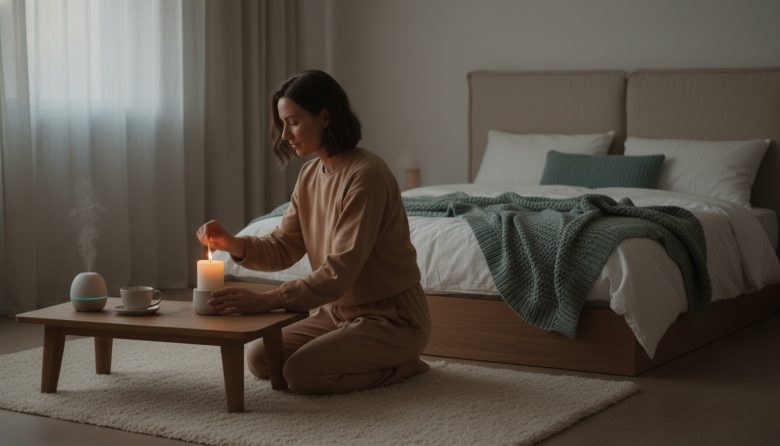
I remember the nights when I’d toss and turn, my mind racing from the day’s chaos, staring at the ceiling until 2 a.m. That changed when I started a simple evening routine a few years back. Now, I drift off easily most nights, waking up refreshed. Evening habits can tune your body’s circadian rhythm, helping lower stress hormones like cortisol while boosting melatonin for deeper rest.
Science shows our internal clock thrives on consistent cues, like dimming lights and winding down predictably. This isn’t about perfection—small shifts often lead to better sleep quality and daytime energy. In this guide, I’ll share why these habits help, plus actionable ideas for lights, snacks, screens, relaxation, and your sleep space.
We’ll build to a 5-step routine you can try tonight, with tips to track what works for you. My own transformation came from experimenting gently—no pressure, just curiosity. Ready to reclaim your evenings? Pick one idea to start, notice how your body responds, and build from there.
Why Evening Habits Tune Your Body’s Natural Sleep Clock
Your body follows a circadian rhythm, a roughly 24-hour cycle that regulates sleep through hormones. In the evening, cortisol tends to drop while melatonin rises, signaling rest. Consistent habits reinforce this, making it easier to fall asleep and stay asleep.
Bright lights or late caffeine can disrupt this balance, delaying melatonin by hours. Studies on shift workers show irregular evenings often lead to fragmented sleep. On the flip side, dim routines help align your clock, often improving mood and focus the next day.
Think of light exposure: evening blue light from screens mimics daytime, tricking your brain into alertness. A predictable wind-down, like herbal tea at 8 p.m., sends the opposite signal. These cues accumulate, supporting restorative sleep over time.
For beginners, starting small tunes this clock without overwhelm. Pairing it with daytime anchors, such as those in How to Practice Quick Gratitude for Better Moods, amplifies the effect by reducing overall stress.
Dim the Lights Early to Ease into Rest Mode
Light is a powerful cue for your circadian rhythm—early dimming helps melatonin rise sooner. Swap cool bulbs for warm ones around sunset to mimic natural dusk. This gradual shift often eases you into relaxation without abrupt changes.
Here’s what to try: First, install amber or red nightlights in hallways. Second, use candles or Himalayan salt lamps for reading— their soft glow feels cozy. Third, wear blue-light glasses if needed during transition. Fourth, set phone auto-dim for evenings.
Safety note: Transition gradually if you’re sensitive to low light; keep a small lamp handy to avoid tripping. Track your drowsiness after a week—many notice falling asleep 20 minutes faster.
This habit sets a calm tone, flowing naturally into other wind-down steps. It’s one of those quick wins that feels effortless once routine.
Choose Calming Evening Bites That Support Relaxation
Evening snacks can stabilize blood sugar, preventing night wakes from hunger spikes. Foods with tryptophan, like turkey or bananas, may boost serotonin, a melatonin precursor. Avoid heavy meals that divert energy to digestion.
What to try: One, a handful of almonds with cherries—magnesium relaxes muscles. Two, Greek yogurt with a drizzle of honey for gut-friendly probiotics. Three, herbal tea and a rice cake with avocado. Four, warm milk with nutmeg, a traditional calmer. Five, sliced apple with nut butter for steady release.
Be cautious with portions—aim for 150-200 calories to sidestep reflux. Skip caffeine after noon, as it lingers. Notice morning energy; stable blood sugar often means fewer groggy starts.
These choices nourish without burdening your system, bridging nicely to unplugging from screens.
Unplug Thoughtfully to Safeguard Melatonin Production
Blue light from devices suppresses melatonin for up to 3 hours. Evening scrolling keeps your brain in “go” mode via dopamine hits. Thoughtful unplugging lets natural rest hormones take over.
What to try: One, set a device curfew 1 hour before bed using built-in timers. Two, switch to audiobooks or podcasts for stories. Three, try blue-light filter apps like f.lux. Four, keep a paper journal bedside for thoughts instead of scrolling.
If work demands screens, limit to 30 minutes with filters and follow with breathwork. Many find mood lifts from this break, as it reduces mental clutter.
This step quiets the digital noise, priming you for breathwork and stretches ahead.
Wind Down with Gentle Breathwork and Stretches
Evening practices calm the stress response, lowering heart rate and cortisol. Deep breathing activates the parasympathetic system for rest-and-digest mode. Gentle moves release tension held from the day.
What to try: One, 4-7-8 breathing: inhale 4 seconds, hold 7, exhale 8—repeat 4 times. Two, child’s pose stretch for 2 minutes to ease back. Three, legs-up-the-wall for circulation. Four, alternate nostril breathing to balance energy. Five, progressive muscle relaxation from toes up.
Keep it light—no forcing if tired. If you have injuries, modify or skip stretches. Track sleep onset; these often shorten it by quieting racing thoughts.
Building on positive energy boosters like those in 10 Easy Habits to Lift Your Daily Energy, this phase seals your routine’s calm.
Craft a Cozy Sleep Space for Effortless Drift-Off
A sensory-friendly bedroom reinforces sleep cues—cool, dark, quiet. Blackout curtains block streetlight; breathable sheets regulate temp. Scents like lavender via diffuser can signal bed equals rest.
What to try: One, declutter nightstands for zen vibes. Two, add a white noise machine for consistency. Three, use earplugs or fans. Four, spritz pillow with calming mist.
Track morning refreshment to refine. This setup makes slipping into sleep feel inviting, leading seamlessly to your full routine.
- Step 1: Dim Lights at 8 p.m. Start with warm lighting and blue-blockers. This cues melatonin rise, easing stress. Track: Note drowsiness level on a 1-10 scale.
- Step 2: Snack Wisely by 8:30 p.m. Choose nuts or yogurt for stability. It prevents hunger wakes. Track: Morning hunger or energy.
- Step 3: Unplug at 9 p.m. Swap screens for books. Protects hormones. Track: Thoughts at lights-out.
- Step 4: Breathe & Stretch 9:30 p.m. 10 minutes of 4-7-8 or poses. Calms nervous system. Track: Fall-asleep time.
- Step 5: Cozy Up by 10 p.m. Adjust room, slip in. Reinforces cues. Track: Wake-ups overnight.
Track Your Progress and Tweak for Personal Fit
Simple signals like sleep hours, morning mood, and energy guide tweaks. Journal 3 notes nightly: what worked, what to adjust. One week reveals patterns—maybe earlier unplug for you.
Experiment freely; bodies vary. Incorporating gratitude from 10 Habits That Boost Your Positive Energy can enhance evenings too. Celebrate small wins, like one solid night—momentum builds restful sleep.
FAQ
How soon before bed should I start this routine?
Often 1-2 hours helps signal wind-down to your circadian rhythm. Adjust based on your schedule—earlier if energy dips soon. Track sleep quality to find your sweet spot, varying by lifestyle.
What if screens are unavoidable in the evening?
Use blue-light filters and cap at 30 minutes, followed by dim lights. Audio alternatives like podcasts ease the shift. Over time, this minimizes disruption while handling necessities.
Can this routine help with racing thoughts at bedtime?
Breathwork and unplugging may calm the stress response effectively. Journaling dumps worries pre-bed. Track over a week; many see quieter minds with consistency.
Is it okay to eat a light snack before bed?
Yes, if it stabilizes blood sugar—think nuts or yogurt. Avoid caffeine past noon to prevent interference. Portions matter; listen to your digestion cues.
What if I travel or have irregular evenings?
Prioritize portable habits like breathwork or dim phone settings. Consistency in core cues builds resilience. Adapt steps to context, tracking what sustains rest on the go.