Last week, I had one of those packed schedules—back-to-back meetings, errands, and trying to squeeze in a quick workout. By mid-afternoon, my brain felt like it was wading through fog, and even my favorite coffee couldn’t lift the slump. It wasn’t until I paused for a simple glass of water that things clicked: mild dehydration was quietly draining my energy.
Science shows that even 1-2% dehydration can dull focus, crank up fatigue, and nudge your mood downward. It thickens your blood, making your heart work harder, and throws off the smooth flow of energy from food to cells. The good news? Four easy tips can help you sip your way to steadier spark without overhauling your day.
We’ll cover starting your morning right, flavoring for fun, cue-based sips, and timing with your body’s waves. These are beginner-friendly tweaks drawn from what I’ve tested myself. Give one a gentle try this week—you might notice clearer thinking by tomorrow.
As someone who’s shared stories in my Morning to Evening Plan for Positive Habits, I know small hydration shifts pair beautifully with daily rhythms for lasting wins.
The Subtle Way Dehydration Steals Your Daily Spark
Dehydration often sneaks up because thirst signals lag behind your body’s needs. Overnight, you lose water through breathing and a bit of sweating, leaving you starting the day slightly parched. This can thicken blood flow, stressing your heart and slowing oxygen delivery to muscles and brain.
Your cells rely on water for energy production—think of it as the medium where nutrients turn into fuel via processes like ATP synthesis. When water dips, this efficiency drops, often leading to that mid-morning drag. It can also amp up your stress response, releasing cortisol that further zaps steady energy.
Circadian rhythm plays a role too: hydration supports the hormones that keep your internal clock humming, helping avoid those unexplained slumps. Picture post-exercise fatigue—not just from sweat, but from unreplaced fluids disrupting recovery. Many folks notice sharper focus once they address this quietly common issue.
Relatable example: after a long meeting without sips, my head felt heavy until I rehydrated. These mechanisms explain why steady water intake tends to restore that daily spark without much effort.
Tip 1: Kickstart Your Morning with Water Before Anything Else
I remember mornings rushing for coffee first, only to feel jittery instead of alert. Switching to water changed that—after 8 hours asleep, your body craves rehydration from the overnight fast. Start with 16 ounces of room-temperature water right upon waking for a gentle energy reboot.
Step one: Keep a bottle by your bed. Step two: Sip slowly over 10 minutes while brushing teeth or stretching. Add a squeeze of lemon for a zesty twist that aids absorption without overwhelming your empty stomach.
This rehydrates cells quickly, flushing out built-up toxins and kickstarting metabolism. Many report a clearer head within 30 minutes, as blood flow smooths out. Tie it to my How to Include Gentle Stretches in Your Morning for an even brighter start—hydrate, then move lightly.
Track it simply: note your energy an hour later. This habit often sets a positive tone, making the whole day feel lighter.
Tip 2: Make Every Sip Count with Flavor Twists
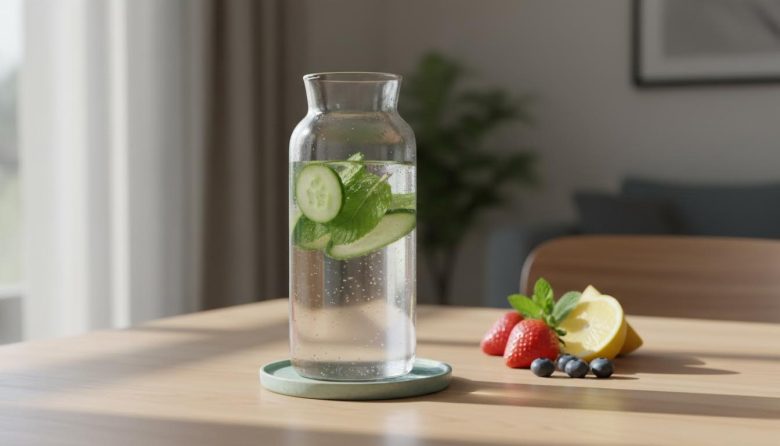
Plain water can feel boring, especially for beginners building habits. Infusions turn it fun and sustainable, encouraging steady sips that build hydration without force. Cucumber-mint or berry slices add natural flavor, drawing you back for more throughout the day.
Try this: Slice cucumber and a few mint leaves into a pitcher overnight. Or muddle strawberries with basil for a sweet hint. These low-sugar adds provide electrolytes like potassium, supporting energy without crashes.
Consistent intake this way keeps blood volume steady, fueling brain function and muscle endurance. I swapped my soda afternoons for infused sparkling water and noticed fewer hunger spikes—hydration often curbs false fatigue signals. Aim for 3-4 flavored glasses daily to hit your flow.
Experiment with what tastes best; your palate guides the wins. This keeps energy humming as you sip joyfully.
Tip 3: Use Everyday Cues to Build Sip-by-Sip Habits
Habits stick when tied to what’s already routine—no need for willpower battles. Link sips to meals, bathroom breaks, or phone checks for effortless reminders. Place a marked bottle on your desk; every hour, drink to the next line.
Phone alarm? Set gentle chimes labeled “Sip Spark.” After lunch, pair water with a walk. Visual cues like a colorful tumbler make it inviting, stacking hydration onto existing flows.
This sip-by-sip approach prevents overload, maintaining even hydration for sustained energy. Track mood shifts post-sips—many find less brain fog during tasks. Low-pressure and fun, it builds without stress.
For deeper routine ties, weave it into ideas from 9 Simple Steps for a Lighter Lifestyle. Notice your body’s thank-you through brighter afternoons.
Tip 4: Sync Hydration with Your Natural Energy Waves
Your energy ebbs and flows—mid-morning and mid-afternoon dips are common circadian cues. Time extra sips then: 8-10 ounces around 10 AM and 3 PM to counter natural dehydration peaks. Combine with brief light exposure for amplified lift.
Step-by-step: At your desk dip, stand for a window gaze while sipping. Post-lunch, herbal tea plus water smooths the wave. This duo supports hormone balance, often sharpening focus without caffeine jolts.
Listen to signals like dry mouth or yawns as prompts. Many notice steadier output, as hydration bolsters the brain’s glucose use. Adjust for your waves—track energy on a 1-5 scale pre- and post-sip.
This timing makes hydration intuitive, riding your body’s natural rhythm for all-day vitality.
| Ditch This Dehydrator | Swap for This | Energy Edge |
|---|---|---|
| Coffee on empty stomach | Herbal tea + 8 oz water | Gentler caffeine release; avoids jitters |
| Sugary soda | Sparkling water + fruit slices | No sugar crash; steady hydration |
| Energy drink | Coconut water diluted | Natural electrolytes; sustained fuel |
| Strong black tea | Green tea + lemon water | Milder diuretic; antioxidant boost |
| Alcohol mixer | Infused water with herbs | Prevents next-day fog; rebalances |
| Juice overload | Water + veggie sticks | Hydrates deeply; fiber synergy |
Pick one swap from this table to try this week. Jot down your energy before and after—small shifts add up fast.
Safety Notes: Hydrate Wisely Without Overdoing It
Thirst is your best guide—sip when it nudges, aiming for pale yellow urine as a simple check. Most folks thrive on 64-100 ounces daily, adjusted for activity or climate. Active days may need electrolyte pinches, like a banana or pinch of salt.
If you have kidney issues or take diuretics, chat with your doctor first. Overhydration is rare but watch for clear urine overload. Listen to your body: steady energy signals you’re on track.
Balance with food fluids too—it’s all part of the gentle flow.
Frequently Asked Questions
How much water should I aim for daily?
Needs vary by body size, activity, and climate—women often aim for 64 ounces, men closer to 100, as a starting point. A simple guardrail: half your body weight in ounces, like 75 pounds means about 37 ounces base. Adjust up 12 ounces per hour of exercise; track urine color and energy for your sweet spot.
Does caffeine ruin hydration efforts?
Caffeine has a mild diuretic effect, but in moderate amounts like 1-2 cups, it often nets positive hydration from the liquid volume. Time it after morning water to minimize impact. Many balance it fine with extra sips throughout the day.
Can I get hydrated from food?
Absolutely—water-rich foods like cucumbers, watermelon, and oranges contribute 20-30% of daily needs for many. They pair hydration with nutrients, tending to support overall energy. Aim for a colorful plate to boost this naturally.
What if I forget to drink enough?
Gentle reminders like app chimes or bottle marks work wonders without guilt. Notice early signals: dry mouth, headaches, or dark urine prompt a catch-up sip. Build one cue at a time for lasting ease.
Will better hydration fix my low energy?
It can help noticeably for many, especially if dehydration plays a role, lifting focus and mood steadily. Combine with solid sleep and light movement for bigger wins. If low energy persists, consult a pro to rule out other factors.