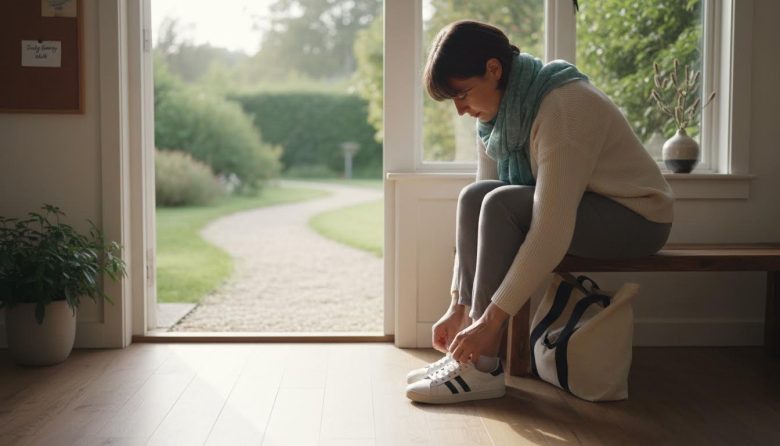
Picture this: it’s mid-afternoon, and that familiar slump hits. Your eyes feel heavy, focus fades, and motivation dips despite a solid breakfast. As Mia Chen, I’ve felt this too, and I’ve found short walks offer a gentle nudge toward lighter, steadier energy without adding fatigue.
These brief outings activate circulation softly, helping blood carry oxygen and nutrients more efficiently to your brain and muscles. They also invite natural light, which supports your circadian rhythm and mood pathways through serotonin nudges. In the sections ahead, we’ll explore why this works, how to time them to your rhythms, and simple ways to weave them in, plus tracking tips for your unique responses.
Many notice clearer thinking and sustained pep after just a few days of trying. Start small, observe your shifts in energy or alertness, and adjust as needed. This approach fits busy lives, often pairing well with routines like how to include gentle stretches in your morning.
Why Short Walks Spark Steady Daily Vigor
Short walks often help by boosting blood flow right when you need it. When you move gently, your heart pumps a bit more steadily, delivering oxygen to tissues that may lag during sedentary stretches. This can ease the drag of built-up fatigue without overtaxing your system.
Endorphins get a subtle release too, those natural mood lifters that counteract stress responses. Paired with daylight exposure, walks may enhance serotonin production, fostering calmer focus over jittery highs. Circadian alignment benefits emerge as light cues reinforce your body’s internal clock, often smoothing energy troughs.
Research-informed patterns show this combo tends to sustain vigor better than caffeine spikes alone. For instance, a 10-minute stroll post-lunch can prevent the common 2-3pm dip by balancing glucose and invigorating neural pathways. Results vary, but many report feeling more even-keeled throughout the day.
Unlike intense exercise, these walks avoid cortisol spikes that might drain you later. They invite mindful breathing, which calms the nervous system further. Over time, this builds resilience to daily stressors, supporting lighter energy naturally.
Spotting Your Natural Energy Dip for Walk Timing
Your body has unique rhythms, often dipping after meals or mid-afternoon due to digestion or melatonin hints. Notice patterns like post-lunch haze or 3pm yawns by jotting quick notes on mood and alertness. This self-observation reveals prime windows for a walk.
Light exposure during these slots amplifies benefits, signaling daytime to your brain. Aim for times with natural sun if possible, even cloudy days help. A 2pm walk, for example, counters the post-meal slump when blood sugar settles.
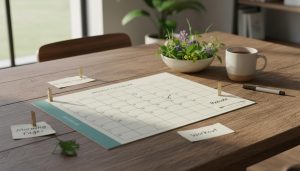
Track over a couple days: rate energy 1-10 before potential dips. Common spots include after screen-heavy mornings or pre-dinner lulls. Tailoring to your tempo makes walks more effective, often lifting you through the evening.
Variations matter—mornings suit some for circadian kickstarts, while evenings aid wind-downs. Experiment gently, noting sleep quality as a clue. This personalization turns walks into a rhythmic ally for daily light energy.
Seamless Slots: Weaving 5-10 Minute Walks into Hectic Hours
Finding space in packed days starts with micro-commitments that feel effortless. Think triggers already in your flow, like finishing a call or email batch. These slots build habit without overhaul.
Short bursts suffice—5 minutes outside refreshes circulation fast. Variations keep it fresh for different schedules. Below, four steps guide beginners to embed them smoothly.
4 Steps to Embed Short Walks Effortlessly
- Identify one daily trigger, such as after your first coffee or lunch wrap-up. This anchors the walk to an existing cue, reducing decision fatigue. For office days, try post-meeting; at home, after dishes.
- Set a micro-goal of just 5 minutes outdoors, building to 10 as it feels natural. If stairs suit better, pace them slowly. Variations: brisk for energy jolt, meander for calm—match your dip’s vibe.
- Pair with a simple cue like a phone alarm labeled “fresh air reset,” stepping out immediately. Real-day example: I set mine for 2:15pm after emails, looping the block while breathing deeply. This chains momentum without effort.
- Note energy pre- and post-walk on a phone note or journal—scale of 1-10 works. Adjust timing or length based on shifts, like shortening if evenings tire you. Celebrate small wins to sustain the loop.
Flavor Your Walks: Indoor Twists, Nature Boosts, and Pace Plays
Add enjoyment to sustain the habit with tailored twists. For rainy days, indoor pacing near windows mimics outdoor light benefits. Pair with a podcast for mental engagement, turning walks into dual-purpose resets.
Nature boosts amplify mood—neighborhood loops with trees often enhance endorphin flow more than urban strides. Try brisk paces for circulation surges or slow meanders for reflective calm. Mornings favor sunlight-chasing; evenings, dimmer paths for transition ease.
Actionable ideas: 1) Podcast stroll post-breakfast, syncing steps to rhythm. 2) Backyard laps if homebound, focusing on breath. 3) Park bench walk—sit midway for a gratitude scan. 4) Colleague loop during work breaks for social lift. 5) Twilight meander with herbal tea after, signaling rest.
These variations suit tastes: audio lovers get stories, nature fans get greens, busy folks get quick outs. Real example—a client swapped desk snacks for a 7-minute door loop, noting steadier afternoons. Experiment to find your flavor.
Complement this with snack timing from how to prepare healthy snacks for all-day energy, as a nut mix post-walk sustains the lift. Gentle adaptations keep it lifelong.
Sensing the Lift: Simple Signals to Track Your Progress
Progress shows in subtle signals like brighter mood or fewer yawns. Log pre/post energy, focus sharpness, or evening sleep ease daily. Apps or a bedside note suffice—no fancy tools needed.
Encouragement: tweak one variable weekly, like adding arm swings. Many feel shifts in 3-5 days, but patience honors your pace. This tracking turns walks into personalized energy tools.
Integrate into broader routines, such as your simple 7-day plan for positive energy, where walks slot as daily anchors. Notice compounding effects on overall vigor. You’re building sustainable light from within.
When to Pause: Gentle Cues for Sustainable Strolling
Listen to your body—pause if joints twinge unusually or weather turns icy. Mild soreness often fades, but sharp pain signals rest. Hydrate before and note if dehydration mimics fatigue.
New to movement? Chat with a doctor, especially with conditions like heart issues or recent injuries. Start slower, perhaps seated marches. This keeps benefits flowing safely.
Overdoing risks rebound tiredness, so cap at 10 minutes initially. Extreme heat or poor air quality? Shift indoors. Balance ensures walks remain allies, not chores.
Your Short Walk Questions Answered
How short is “short” for energy benefits?
Often 5-10 minutes suffices to spark circulation and light mood nudges, based on common patterns. Track your energy response, as some thrive on 3 minutes while others need 12. Start minimal and extend if it feels right, honoring your rhythms.
Can I walk indoors if weather’s poor?
Yes, indoor options like hallway laps or living room paces still move blood flow and calm stress responses. Position near windows for light cues, or use a fan for breeze. This maintains consistency without exposure risks.
What if I feel more tired after walking?
It may stem from poor timing, like late evenings disrupting sleep cues, or dehydration. Tweak to morning/post-meal slots and sip water pre-walk. If persistent, ease pace or consult a pro—most adjust with small shifts.
Do I need special shoes or gear?
Comfortable sneakers or supportive flats work fine; no high-tech required. Focus on cushion for your stride—test walks in what you have. Layers for weather keep it simple and accessible.
How soon might I notice energy changes?
Varies widely—some sense lifts same-day, others in a week as habits compound. Factors like sleep or diet influence speed. Track patiently, celebrating subtle wins like fewer slumps.