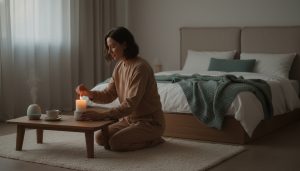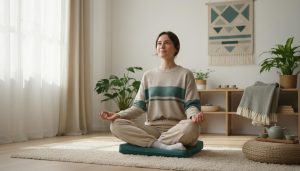
Imagine dragging through your morning coffee, only to hit a wall by 2 p.m., eyelids heavy and motivation fading. Many of us know this cycle all too well, especially with screen time dominating our days and natural light feeling like a distant memory. As Mia Chen, I’ve seen how small shifts in light exposure can gently nudge energy levels without overwhelming changes.
Light plays a key role in our body’s internal clock, known as the circadian rhythm. Morning brightness often signals wakefulness, while evening dimness cues rest. This challenge taps into that natural flow to support steadier alertness and mood.
Over five days, you’ll build simple light habits with morning exposure, midday boosts, and evening wind-downs. Track your energy and mood in a quick journal note each evening—perhaps on a scale of 1-10. This helps spot what resonates, setting you up for lasting uplift. Ready to let light work its gentle magic?
How Natural Light Syncs Your Body’s Energy Rhythm
Natural light influences the circadian rhythm, the body’s 24-hour cycle that regulates sleep, alertness, and hormone release. Exposure to bright morning light tends to suppress melatonin—the sleep hormone—while boosting cortisol for daytime focus. This balance often supports steadier energy, reducing those mid-afternoon dips.
Think of dawn light filtering through a window; it aligns your internal clock, much like how early sunlight helps birds and early risers feel more vibrant. Studies on light therapy show it can improve mood in seasonal affective disorder, hinting at benefits for everyday fatigue. Evening light management prevents disruptions, promoting deeper sleep onset.
For many, consistent patterns like 10-20 minutes of morning light lead to better sleep quality over time. Your body adapts gradually, so patience pays off. Pairing this with awareness of your rhythm creates a foundation for sustained vitality.
Spotting When Your Days Need a Light Lift
Recognizing signs of light deficiency helps you start strong. Journal your baseline for a day or two to note patterns.
- Afternoon slumps around 2-4 p.m., where focus fades despite caffeine—often tied to insufficient morning brightness disrupting cortisol peaks.
- Trouble falling asleep before midnight, even when tired, as evening blue light from screens delays melatonin rise.
- Mornings feeling groggy, needing multiple alarms—morning light scarcity can prolong this haze.
- Mood dips or irritability midweek, which brighter exposure sometimes eases by stabilizing serotonin pathways.
- Weekend recovery sleep-ins that don’t fully recharge—indicating weekday light imbalances.
These cues vary by person, season, and location. Noticing them empowers gentle tweaks. If several resonate, this challenge offers a structured path forward.
Simple Prep to Make Light Work for You
Gather a few tools to ease into the challenge. A phone timer app for exposure slots keeps it effortless. Identify your best window spot—east-facing for soft morning rays.
- Set phone reminders for morning (wake +30 min), midday (lunch hour), and evening (sunset -1 hour).
- Choose light clothing in neutral tones for indoor glow; opt for hats or sleeves if outdoors.
- Download a free screen dimmer app like f.lux for evening auto-adjust.
- Prep a journal or app note: “Energy: __/10, Mood: __/10, Notes.”
These steps take under 10 minutes total. Adapt for your space—balcony for sun, desk lamp for clouds. Safety starts here: avoid staring directly at the sun; use peripheral vision.
Your 5-Day Light Roadmap at a Glance
| Day | Morning Exposure (10-20 min) | Midday Boost (5-10 min) | Evening Dim (post-sunset) | Feel-Forward Tips |
|---|---|---|---|---|
| Day 1 | Sit by window with coffee, eyes open to natural light | Step outside for fresh air stretch | Activate screen filter; soft lamps only | Track baseline energy/mood evening |
| Day 2 | Window + gentle neck rolls, face light indirectly | Desk-side window gaze during lunch | Dim lights; no screens 1 hour pre-bed | Note any alertness shifts |
| Day 3 | Short outdoor walk (backyard or block) | Outdoor lunch break or balcony stand | Candlelight dinner; blue-light glasses | Compare to Day 1 journal |
| Day 4 | Outdoor exposure + deep breaths | Quick park bench or window power pose | Full dim: warm bulbs, read physical book | Spot mood patterns emerging |
| Day 5 | Full routine: walk + window backup | Extended boost if sunny; indoor bright otherwise | Consistent dim + gratitude journal | Plan favorites for week 2 |
This table provides a clear progression, starting gentle to build habits. On rainy Day 3, swap outdoor for a bright room facing skyward—light scatters indoors too. Real-life example: Sarah, a remote worker, used her kitchen window for mornings, noting steadier focus by Day 4.
Variations keep it flexible: shift times for night owls by 1-2 hours. Track how weather or mood influences results. This roadmap supports experimentation without rigidity.
Pairing Light with Calm Habits for Deeper Energy
Light shines brighter alongside supportive routines. Try these timed pairings for amplified effects.
- Morning light + hydration: Sip 16 oz water with lemon during exposure—hydrates cells while syncing rhythms, often easing grogginess.
- Midday boost + breathwork: 4-7-8 breathing (inhale 4, hold 7, exhale 8) outdoors refreshes oxygen flow.
- Evening dim + herbal tea: Chamomile post-sunset calms nerves, enhancing melatonin’s gentle rise.
- Daily add-on: Pair with nuts or fruit snack during light slots, as in how to prepare healthy snacks for all-day energy, stabilizing blood sugar.
These combos create synergy. For busy days, pick two favorites. When considering 10 habits that boost your positive energy, light often anchors the rest.
Safety Notes and Tweaks for Your Unique Rhythm
Light exposure is generally safe, but listen to your body. Wear sunscreen for longer outdoors (SPF 30+), and sunglasses if eyes feel strained—never stare at the sun.
For sensitivities like migraines or fair skin, shorten sessions or stay shaded. Cloudy days? Bright indoor lamps (10,000 lux) mimic effects. Consult a doctor if you have eye conditions or take photosensitivity meds.
Tweak for your life: shift workers align to “personal morning.” Track simple signals—energy, sleep ease—and adjust. Experiment kindly; small wins build momentum. This sets the stage for habits like the 30-Day Challenge for Steady Energy Habits.
FAQ
Can I adapt this for cloudy weather or indoor-only days?
Yes, natural light filters through clouds effectively—position near windows for diffusion. Light therapy boxes (10,000 lux) or full-spectrum bulbs offer reliable indoor alternatives, often matching outdoor benefits for rhythm syncing.
What if my schedule involves late nights or shifts?
Shift the routine to your wake-up window as “morning,” keeping intervals consistent relative to sleep. For night owls, start exposure 30 minutes post-alarm; consistency matters more than clock time for circadian cues.
How quickly might I notice energy shifts?
Many report subtle lifts by Day 3, like easier focus, though full effects build over a week. Variations depend on baseline light habits, sleep debt, or stress—track personal signals for accuracy.
Is direct sunlight safe for sensitive eyes or skin?
Indirect gaze or sunglasses protect eyes; apply broad-spectrum sunscreen for skin, even on short exposures. If you have conditions like lupus or retinopathies, check with a healthcare provider before increasing light time.
What’s next after the 5 days?
Incorporate top routines 4-5 days weekly, layering in variations like seasonal tweaks. Monitor long-term mood and energy; extend with challenges for sustained gains, adjusting as life shifts.