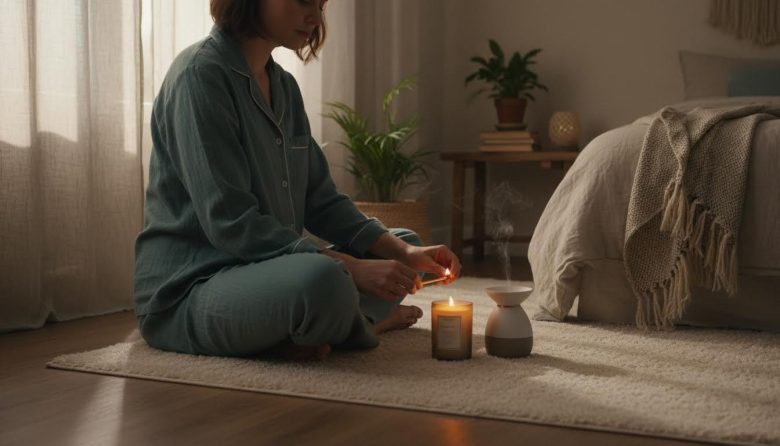
Hey there, I’m Lily Harper, and I remember those nights all too well—tossing and turning until midnight, my mind racing with tomorrow’s to-do list. I’d wake up groggy, snapping at my coffee just to get through the day. It turns out, poor sleep affects about one in three adults, yet tweaking your evenings can lead to deeper rest and brighter mornings.
That’s why I’m sharing this simple 30-minute evening routine designed for beginners like I once was. No fancy gadgets or strict rules—just gentle steps to signal your body it’s time to unwind. You’ll feel calmer and more rested with consistent little shifts, and I’ll walk you through it all with my own quick wins.
Let’s start by understanding why these evening rituals work so well for tuning your natural sleep rhythms.
Why Evening Rituals Tune Your Body’s Sleep Clock
Your body follows a circadian rhythm, an internal clock that regulates sleep through hormones like melatonin and cortisol. As evening falls, dimming lights and calming activities can help lower cortisol—the stress hormone—and encourage melatonin rise, which promotes drowsiness. This process often smooths the transition to sleep, especially if you’ve had irregular bedtimes.
I used to scroll late into the night, ignoring these signals, and my sleep suffered. Once I started a short wind-down, I noticed falling asleep faster within a week. Research supports this: consistent cues tend to strengthen your sleep clock, leading to better energy the next day.
These rituals also quiet the mind by reducing overstimulation from daily hustle. They create a buffer against blue light and noise, which can disrupt your rhythm. Pairing this with habits from 10 Habits That Boost Your Positive Energy amplified my results, as positivity supports restorative rest.
Now that you see the gentle science behind it, let’s talk about carving out that key window in your evening.
Carving Out Your 30-Minute Wind-Down Window
Aim to start your routine 1.5 to 2 hours before your ideal bedtime—this gives your body time to ease off stimulants like caffeine. Track simple signals like your evening mood or energy dips to find the best slot; maybe after dinner when you naturally slow down.
I overcame barriers like family chaos by starting small, just 10 minutes at first in my bedroom corner. Busy parents or night owls can shift it flexibly, as long as it’s consistent most nights. This window becomes your personal recharge zone, setting the stage for the steps ahead.
With timing sorted, here’s the heart of the routine—a clear, sequential flow of six steps, each about five minutes, to guide beginners effortlessly.
Your 6-Step Evening Routine for Deeper Rest
- Step 1: Create a soothing environment (5 minutes). Dim the lights or light a soft lamp to mimic sunset, signaling your brain to ramp up melatonin. Tidy your space lightly—fold a blanket, fluff pillows—for a sense of calm. This cuts visual clutter that keeps the mind buzzing.
- Step 2: Gentle unplug from screens (5 minutes). Put phones and TVs away; blue light suppresses melatonin for hours. Read a physical book or listen to soft music instead. I swapped scrolling for a cozy novel, and it cut my pre-sleep anxiety noticeably.
- Step 3: Light movement or stretches (5 minutes). Do gentle neck rolls, shoulder shrugs, or a slow walk around the room to release built-up tension from the day. This activates your parasympathetic nervous system, promoting relaxation without revving you up. Keep it easy—no intense workouts here.
- Step 4: Herbal sip and snack if needed (5 minutes). Brew chamomile tea or warm milk, which may soothe digestion and nerves. A small, sleep-friendly bite like banana with almond butter stabilizes blood sugar overnight. Skip if you’re not hungry to avoid discomfort.
- Step 5: Breathwork or gratitude practice (5 minutes). Try 4-7-8 breathing: inhale 4 seconds, hold 7, exhale 8. Jot three things you’re thankful for, linking to feel-good vibes. This shifts focus from worries, often easing into sleep faster, much like tips in 6 Ways to Add Positivity to Your Day.
- Step 6: Bed prep ritual (5 minutes). Spritz lavender on sheets, set a cool room temp around 65°F, and slip into comfy pajamas. Visualize drifting off peacefully. This final cue tells your body bedtime is near, wrapping up the routine smoothly.
These steps flow sequentially for momentum—start with environment to set the mood, end with bed prep for seamless transition. Beginners love the five-minute chunks; they’re forgiving if you shorten one night. My first week felt like a game-changer, with mornings less foggy.
Ready to adapt? Here are ways to personalize without losing the core benefits.
5 Ways to Mix and Match for Your Lifestyle
Family-friendly swap: Involve kids in Step 1 by dimming lights together for storytime, turning wind-down into bonding. This keeps the routine fun and consistent amid household bustle.
Quick traveler tweak: Use hotel blackout curtains for Step 1 and a phone app timer for breathwork in Step 5. Portable herbal packets fit in luggage easily.
Mindful minimalism: Combine Steps 3 and 4 into a seated stretch while sipping tea, saving time on solo nights. Track how it feels to refine further.
Social energizer: Share Step 5 gratitude via voice note to a friend, blending connection with calm. It echoes surrounding yourself with uplifting influences, as in How to Surround Yourself with Uplifting People.
Seasonal shift: In winter, add a warm bath mini-version before Step 3 for extra coziness. Experiment one variation weekly, noting sleep quality to see what sticks.
These tweaks make the routine yours, encouraging play over perfection. Now, a quick note on listening to your body wisely.
Safety Notes and Gentle Cautions
If you have sleep disorders like apnea or take medications affecting rest, chat with your doctor before big changes. Pregnant folks or those with digestive sensitivities might skip heavy snacks in Step 4.
Watch for body signals: if stretches cause pain, opt for breathwork instead. Start slow if you’re very fatigued—rest is the goal, not added stress. Most find it gentle, but adjust as needed.
To make this last, tracking helps spot what works best for you.
Track Wins and Tweak for Lasting Sleep Gains
Grab a bedside journal for quick notes: rate sleep quality 1-10, note mood upon waking, and any routine tweaks. After a week, patterns emerge—like tea helping more than stretches.
I stacked this onto my morning positivity habits, turning spotty sleep into reliable rest. Experiment freely, celebrating small wins like one extra hour of deep sleep. Your energy and mood will thank you—keep it light and consistent.
Got questions? Here’s what beginners often ask.
Frequently Asked Questions
Can I start this routine if I have insomnia?
Yes, many with mild insomnia find it supportive as a gentle cue-builder, but it may not replace professional help. Pair it with doc-recommended strategies, tracking progress over two weeks. Variation exists—what calms one may need tweaking for another.
What if 30 minutes feels too long some nights?
Shorten to 15-20 minutes by combining steps, like unplugging while stretching. Prioritize 2-3 favorites consistently over perfection. Listen to your energy; even partial routines can help build momentum.
Does this work for shift workers?
It can adapt to non-standard schedules by aligning the window to your “night” before sleep shift. Focus on dim lights and breathwork regardless of clock time. Results vary by individual rhythm—track and adjust.
Should I eat before bed as part of this?
A light, balanced snack like nuts or yogurt in Step 4 often stabilizes sleep for some, but skip if it disrupts digestion. Avoid heavy or sugary foods 2-3 hours prior. Test your response and refine.
How long until I notice better sleep?
Often within 3-7 nights for subtle shifts like easier wind-down, with deeper gains in 2-4 weeks. Consistency matters more than speed; factors like stress influence timelines. Jot daily notes to celebrate progress.